Not knowing what will happen is often the hardest part. So let’s look at what a typical day will look like.
Arriving
School starts at 9.15am. You come in through the main doors (the white doors at the front of the building) and you will be met by a staff member who will check in with you. It’s on arrival you can confirm if you want toast and a drink, and you can also book what you want for lunch.
The first period between 9.15 and 10am is where we have a ‘soft start’. It gives time to settle and check in with students, which is most important before we get started.
Sessions
Teaching is in very small groups, or can be one-to-one as determined by your child’s needs. All students will access some one-to-one time with staff, either for academic work or to support social, emotional and mental health needs. This is commissioned as part of your child’s education, health and care plan (EHCP). Work is set at the level your child is actually at, not the level their age says they should be. We work from where each child is and progress from there.
What our students learn
The balance shifts depending on the student, but these are the sessions that make up a week here.
English and maths. Literacy, NCFE English and maths run throughout the week. These are the subjects most of our students have gaps in, and they are party of our core curriculum, so they get the most time.
Understanding the world. PSHCE and Citizenship cover health, relationships, money, rights and responsibilities – the things a young person needs to know before they turn sixteen, taught in a way that allows for conversation rather than lecture.
Practical and creative. Art, and cooking – culture and life skills. Students learn cooking for fun and how to prepare a proper meal, plan what to buy, and cook for other people.
Sport and games. Sport, games and NCFE Sport. Being based at Bottesford Town Football Club means the pitch and facilities are on the doorstep, so this is part of the day rather than an occasional treat. It is here where confidence, communication and teamwork is built. It is often where a student who will not talk in a classroom starts talking.
Looking ahead. Employability and Project work – thinking about what comes next and building the skills employers are looking for.
Tutor group. Time set aside to check in: how things are going, what is coming up, anything that needs sorting out? It is the part of the day where students and staff connect and what matters to the students.
The shape of the day
We have a gentle start with short sessions, and a proper break in the middle.
| 9.15 – 10.00 | Soft start, breakfast and booking lunch |
| 10.00 – 10.45 | Period 1 |
| 10.45 – 11.30 | Period 2 |
| 11.30 – 12.15 | Period 3 |
| 12.15 – 12.30 | Lunch |
| 12.30 – 1.15 | Period 4 |
| 1.15 – 2.00 | Period 5 |
| 2.00 – 2.30 | Period 6 |
Six
sessions a day
45 mins
maximum per session
2.30pm
home time
Independent Life Skills
Students access our Independent Life Skills programme. It is taught flexibly in units, and it covers what a young person needs in order to manage on their own once they leave us.
Digital literacy and safety – From setting up a phone properly, including security settings and emergency SOS; and using maps and checking live transport information; through to spotting scams and knowing when something online is not what it claims to be.
Functional finance – The different ways to pay for things, working out what an afternoon out will actually cost, keeping money and belongings safe in public, and why it is worth keeping the receipt.
Community navigation and resilience – Planning a route and following it. Recognising the physical signs of anxiety, like a racing heart, and having something to do about them. Knowing who to ask for help – a bus driver, station staff. And having a plan B for when the bus does not turn up.
That last unit is the longest for a reason. Getting somewhere on your own is not really about the route. It is about coping when something changes, and that takes practice.
Independent Life Skills projects
Alongside the taught units, students take part in projects built around doing the real thing rather than practising it in a classroom. The purpose is to build confidence and the skills a young person needs for adulthood.
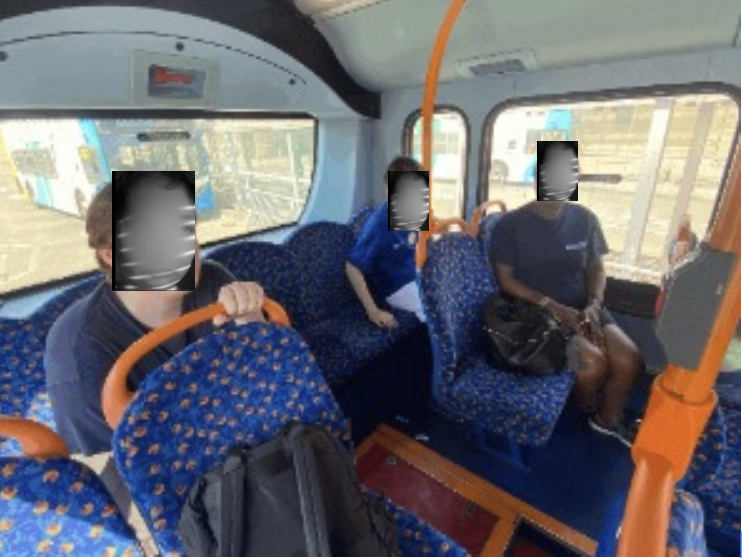
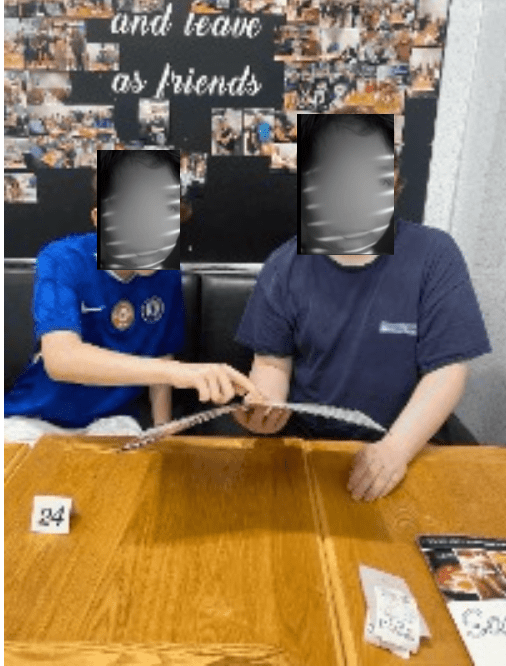
One recent project brought together planning a journey, handling money, working to a budget and ordering food. Students caught the bus into Scunthorpe town centre, walked to the bank to withdraw and deposit money, then went on to a local café and ordered lunch within a £15 budget, before catching the bus back.
Written down, that sounds like an afternoon out. For a young person who has spent months avoiding leaving the house, getting on a bus, speaking to a cashier, reading a menu and ordering their own food is four significant things in a single day – each one practised beforehand, and each one done for real.

Breaks and lunch
Lunch is a structured part of the day. Students and staff eat together, at the table, at the same time. This can include free flowing discussion or include games such as chess.
Students can bring their own lunch, or have a free lunch here. Your child does not need to be entitled to free school meals – we feed them anyway.
When a day goes wrong
Some days will. That is understandable here, not treated as a crisis.
When a student reaches their limit, they don’t face discipline; they get support. They are given space away from the learning area and this can be through a walk-and-talk session or accessing one of our quiet spaces. They will always be accompanied (even if from a distance, if they need space) by a trusted staff member who knows their individual needs. There are no demands, no shame, and no lectures – just time to to support their wellbeing.
Most importantly, if we call you, it is to collaborate and communicate, not to give up.
And when tomorrow comes, it’s a fresh start. Our school day is always full of fresh starts. No grudges, no carried-over detentions, and no judgment – just a fresh start and a warm welcome at the door.
Going home
The school day finishes at 2.30pm.
We will keep in touch regularly — by phone, text or email, or whatever works best for you. We want to tell you what has gone well, not only what has gone wrong.
When there are challenges, we will talk to you about them early and work through them with you. In this learning journey we are all a team supporting your child to thrive.
Starting slowly
Very few students start on a full timetable. If your child has been out of school for a while, we build up from wherever they can manage — sometimes an hour, sometimes one day a week – and we do not rush it.
